Extractivism in Myanmar causes severe social and emotional impacts beyond environmental damage
More than half of extractive conflicts in Myanmar are associated with stress-related health problems and emotional distress, alongside livelihood loss, displacement, and environmental degradation. This is one of the main findings of a study led by researchers May Aye Thiri and Joan Martinez-Alier from ICTA-UAB.
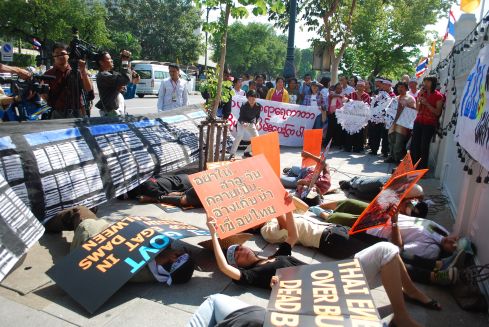
The research examines 53 socio-ecological conflicts documented in the Environmental Justice Atlas and shows that extractivist projects generate not only material damage but also affective and epistemic forms of dispossession. In addition, between 17% and 30% of cases involve repression, criminalisation, or violence against defenders.
The study highlights how land and water grabbing, ecological degradation, and displacement contribute to the erosion of communities’ capacities to know, perceive, and relate to their environments. These processes result in the loss of livelihoods, cultural identities, and relational ways of living with nature, producing what the authors describe as enduring ecological and psychosocial wounds.
The research also documents how communities mobilise diverse forms of resistance, including protest narratives, songs, testimonies, community media, and collective ritual practices such as praying. These practices reflect relational worldviews in which land, rivers, and mountains are understood as living entities and are central to Indigenous identities and cosmologies. They also contribute to strengthening social cohesion and transforming grief into collective forms of resistance.
Myanmar’s case further illustrates how extractivism is embedded in a broader history of colonial and militarised resource exploitation. The expansion of extractive industries exacerbates ethnic tensions and armed conflict, while patterns of illegal extraction and competition over resources reproduce forms of extractive violence over time. The study also notes China’s growing role in shaping regional extraction and trade dynamics.
Finally, the authors emphasise the need to recognise ecological, emotional, and cultural losses that often remain invisible in official accounts. They argue that incorporating these dimensions is essential to better understand environmental justice conflicts and the resilience and resistance of affected communities.
Reference: Thiri, M.A. and Martinez-Alier, J., 2026. Extractivism unleashed: Environmental justice and resistance in Myanmar. The Extractive Industries and Society, 27, p.101927. https://doi.org/10.1016/j.exis.2026.101927