

- Home
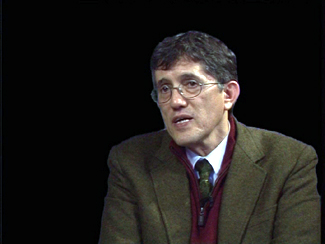
Antonio Lazcano Araujo
Antonio Lazcano gave a paper on Comparative Genomics and the first stages of cellular evolution: between optimism and desperation in the facilities of the UAB. We interviewed him and shared the views of Lazcano the scientist, the Mexican and the committed humanist on "culture in general and scientific education in...
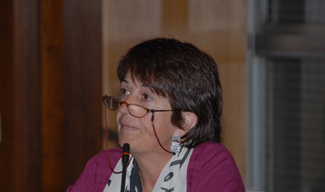
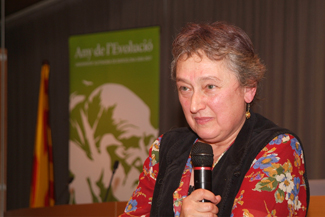
Lynn Margulis, a microbiologist at the U.S. considered one of the leading figures in the evolution theory
Lynn Margulis is one of the leading scientists in the field of microbiology. Her contributions to biology and evolutionism are many. Amonst others, of particular significance is her Serial...
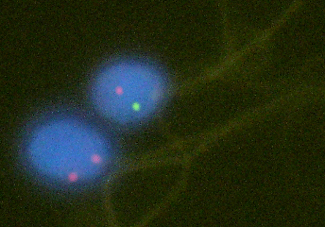
Researchers find the mechanism by which cells resist chemotherapy
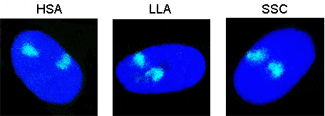
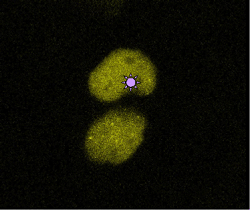
A team of researchers from the UAB's Mutagenesis Group, led by Dr Jordi Surrallés, has identified one of the mechanisms used by cancer cells to resist chemotherapy. In his paper, published in The EMBO Journal, Dr Surrallés describes how...
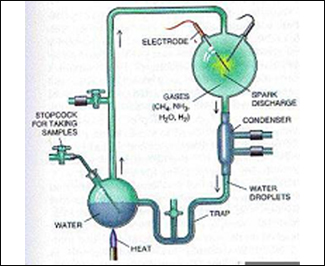
The Miller-Urey experiment
As a part of the activities of the UAB Year of Evolution, The faculties of Biosciences and Sciences have held a conference on Prebiotic Evolution. The event included various seminars and the inauguration of the reproduction of the Miller-Urey apparatus, that has been set up...
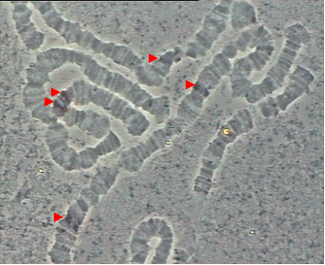
Mobile genes are DNA sequences able to move and insert into the genome. They constitute more than 50% of the human genome and 28% of that of Drosophila (Fruit fly). They are an important source of mutations because they promote chromosomal arrangements and insert into genes and regulatory regions. This work is based in one of these transposable...
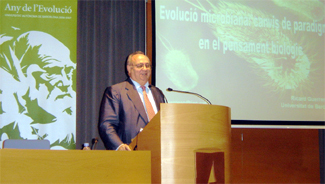
Ricard Guerrero
Guerrero has taken part in various scientific projects and is known in Spain as the first person to introduce the theory of microbial ecology. "Without microbes, life on our planet would be impossible", says Guerrero. "From the moment we are born we need bacteria to live".
In our chromosomes there are small disorders that generally do not affect us but that can be decisive for reproduction. This is the case for the so-called chromosomal inversions (a change in direction of a chromosomal fragment within the original chromosome). UAB researchers have studied these alterations and concluded that the larger a...
Fragmentation of the forest masses reduces its genetic diversity
A study carried out by the Centre for Ecological Research and Forestry Applications (CREAF), at the Universitat Autònoma de Barcelona, undertaken by Alistair Jump, a postdoctoral researcher, and Josep Peñuelas, research professor at the CREAF...
